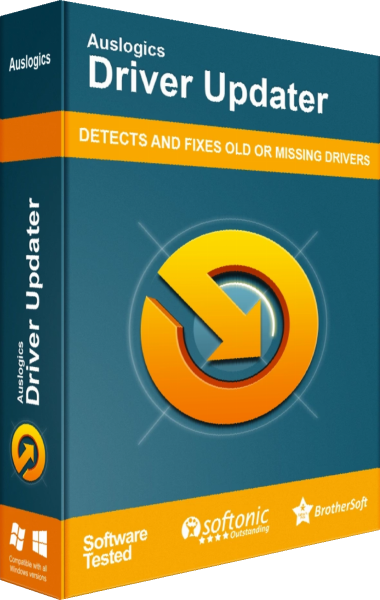



Review device drivers with Auslogics Driver Updater
Auslogics Driver Updater scans a Windows computer for outdated, missing, or faulty device drivers and presents recommended updates. Use it to inspect driver information before making changes to hardware that needs attention.
Begin with the device or symptom you want to investigate. A scan result is a starting point for review, not proof that every listed update is necessary or that drivers explain every problem.
Compare installed and recommended driver details
Scan results show installed driver information alongside recommended versions and release dates. The application matches updates to the detected hardware.
For a broader hardware and software inventory, see Auslogics System Information. Confirm the device involved before selecting an update. For a laptop or specialized peripheral, consider any device-maker guidance you already follow rather than choosing solely by the newest date.
Choose updates around a specific task
Driver Updater supports hardware categories such as graphics, audio, networking, and connected peripherals. Select the drivers relevant to the issue you are investigating.
For example, if audio stopped working after a change, focus on the sound device and check its behavior after the update. Keeping a record of changes makes it easier to understand which action affected the result.
Preserve a recovery option before changing drivers
Backup and restore tools let you preserve current drivers and return to a saved version when needed. Confirm that a useful backup exists before replacing a driver you depend on.
Save open work and allow time for a restart if requested. A driver backup is different from a full system backup and does not preserve your documents or guarantee recovery from every installation problem.
Use the ignore list for drivers you manage separately
Drivers you choose not to update can be placed on the Ignore List. Review that list in settings when your maintenance needs change.
This can help keep attention on the updates you intend to manage in the application. If a device requires a particular driver for a work tool or peripheral, document that choice before changing it.
Check edition limits for batch updates and scheduling
The available workflow differs between editions. Review the selected edition before relying on multiple-driver updates, scheduled scans, or particular recovery options.
Plan maintenance for a time when you can check the affected devices afterward. An unattended scan should not be treated as confirmation that every device works correctly after an update.
Distinguish driver maintenance from disk optimization
Updating a device driver addresses the software used to communicate with hardware. It does not reorganize files on a hard disk or remove every cause of slow performance.
For HDD fragmentation analysis, see Auslogics Disk Defrag. Choose the task that matches the issue rather than applying unrelated maintenance tools in sequence.